
Starting a company is exciting. Marketing it well is where many founders get stuck.
There are too many channels, too many tools, and too much advice. It is hard to know where to put your limited time and budget.
Growth marketing is not about flashy campaigns or going viral. It is about understanding your audience, testing quickly, and putting more behind what works. Done well, it gives you a repeatable system instead of a series of one-off experiments.
Here is the playbook I recommend for early-stage and growth-stage startups.
Step 1: Define Your Audience Narrowly
You can't market to everyone. Start with the customers most likely to buy and get value quickly. Answer:
- What problem are they trying to solve?
- What have they already tried?
- Where do they look for information?
- Who influences their decisions?
Practical tip: Write down the names of your five best customers or prospects. If you can't describe what they have in common, your audience isn't narrow enough yet.
Step 2: Sharpen Your Value Proposition
Your value proposition should answer one question: why should this buyer choose you over everything else, including doing nothing?
Keep it clear, specific, and focused on the customer's outcome. This becomes the foundation for your website, ads, emails, and sales conversations.
Practical tip: Read your homepage headline out loud to someone outside your company. If they can't explain what you do in one sentence, rewrite it.
Step 3: Test Channels With Small Budgets
 Not every channel fits every startup. For B2B companies, LinkedIn, targeted email, webinars, and industry communities are often strong places to start.
Run small, time-boxed tests. Give each channel 60 to 90 days, a clear goal, and a set budget. Then double down on what works and cut what doesn't.
Practical tip: Measure each test by qualified conversations created, not clicks or impressions.
Step 4: Create Content That Solves Real Problems
The best content answers the questions your buyers are already asking. Think practical guides, short videos, webinars, and case studies.
Don't just sell. Teach. When buyers learn something useful from you, they trust you more when it's time to buy.
Practical tip: Ask your sales team for the ten questions prospects ask most often. Each one is a piece of content.
Step 5: Build Growth Loops
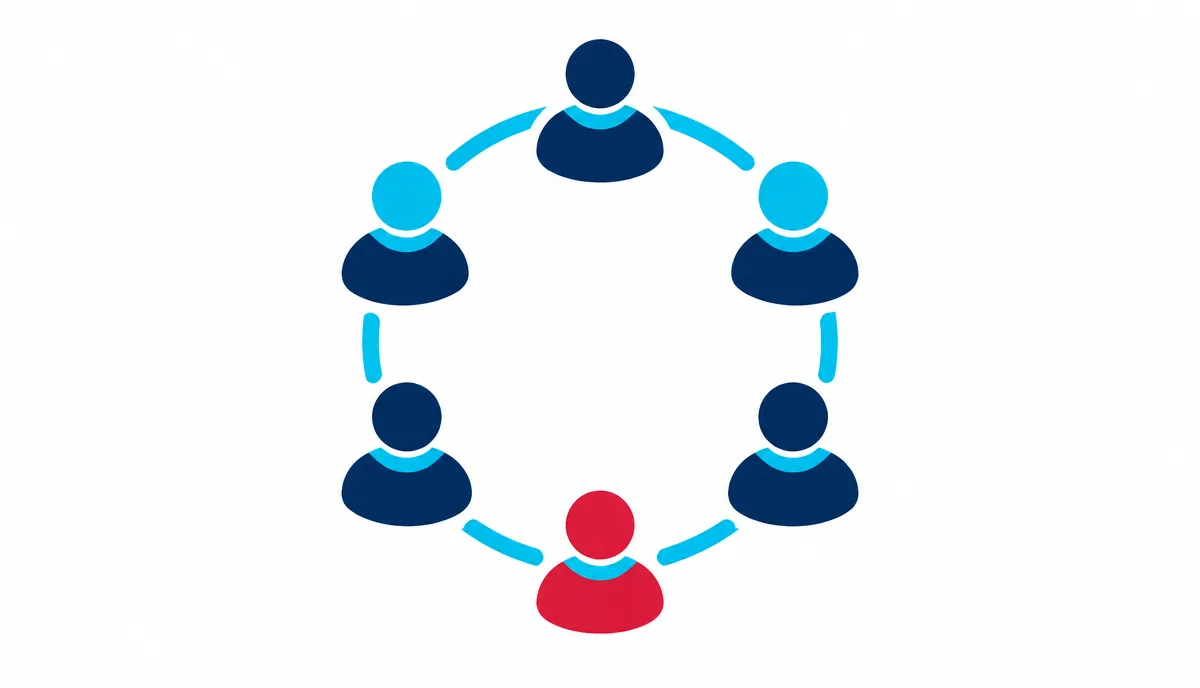 A growth loop is a cycle where each new customer helps bring in the next one. Examples:
- A referral program that rewards customers for introductions
- A webinar where attendees invite colleagues
- A customer case study that becomes a sales asset
- A product feature that invites others to collaborate
Loops matter because they compound. Campaigns end. Loops keep working.
Step 6: Measure, Learn, and Adjust
Pick a short list of numbers and review them every month:
- Qualified leads or conversations
- Conversion rate to customer
- Customer acquisition cost
- Retention
When something isn't working, change one thing at a time so you know what made the difference.
FREE TOOL
Know your numbers
Calculate your win rate, pipeline coverage, CAC, and velocity, and see which warning signs are showing up.
Use the 5 C's to Check Your Strategy
The 5 C's are a simple way to make sure your marketing reflects the full picture.
Company. What are your strengths, resources, and limits? What can you do better than anyone else?
Customers. Who are they, what do they need, and how do they buy?
Competitors. Who else are buyers considering, and where are the gaps you can fill?
Collaborators. Which partners, associations, or influencers can help you reach buyers faster?
Context. What economic, regulatory, or technology changes could affect your market?
Run through these once a quarter. It takes an hour and often surfaces a risk or opportunity you missed.
Keep Your Tool Stack Simple
You don't need a dozen tools on day one. Start with the basics:
- CRM: HubSpot, Salesforce, or Zoho to track leads and deals
- Email: Your CRM's built-in email or a tool like ActiveCampaign
- Analytics: Google Analytics plus your CRM reports
- Automation: Zapier or Make to connect tools and remove manual work
Add tools only when a clear need appears. Too many tools early on create more work, not less.
Turn Experiments Into a System
Random marketing can create a few wins. It won't create predictable growth.
Once you find what works, document it. Write down the audience, message, channel, and steps. Assign an owner. Review it monthly. That is how experiments turn into a growth system you can scale.
If you're testing a lot but not sure what is actually driving growth, a Growth Diagnostic can help you sort it out. We'll show you what is working, what isn't, and where to focus next.
Ready to put this into practice?
Get a clear, prioritized view of what is limiting your growth and what to do next.