
A great product doesn't sell itself.
Even the strongest SaaS solutions need a clear plan for reaching the right buyers, at the right time, with the right message.
That plan is your go-to-market strategy. It aligns product, marketing, sales, and customer success around one roadmap so everyone is working toward the same customers and the same outcomes.
Here is the six-part framework I use with SaaS companies, followed by an example of what a finished plan looks like.
Why a GTM Plan Matters
A clear go-to-market plan helps you:
- Focus resources on the buyers and channels most likely to produce revenue
- Launch faster because decisions are already made
- Acquire customers more efficiently with messaging built for a specific buyer
- Scale with confidence because you have a process you can repeat
Without one, every team makes its own assumptions. Marketing targets one audience, sales chases another, and customer success inherits customers who were never a good fit.
Part 1: Define Your Target Market and Buyers
Go beyond "small businesses" or "marketing teams." Answer:
- Which industries feel the problem most urgently?
- What size companies get the most value?
- Who owns the problem, and who signs the contract?
- What event makes them start looking for a solution?
- Where do they go for information and advice?
Write a short profile for each key buyer: their role, goals, frustrations, and likely objections.
Part 2: Position Your Product Clearly
Positioning explains where your product fits and why it is the best choice for your target buyer. Answer three questions:
- What problem do we solve better than anyone else?
- What happens if the buyer does nothing?
- Why should they choose us over the alternatives?
Then write one positioning statement and use it everywhere: website, sales deck, emails, and investor materials.
Part 3: Choose a Pricing Model
Common SaaS pricing models include tiered subscriptions, usage-based pricing, freemium, and annual enterprise contracts. Your choice should reflect:
- How your customers prefer to buy
- The value they get from your product
- What alternatives cost
- Your margins and revenue goals
Test pricing in real sales conversations before locking it in. Expect to adjust.
Part 4: Build a Focused Channel Plan
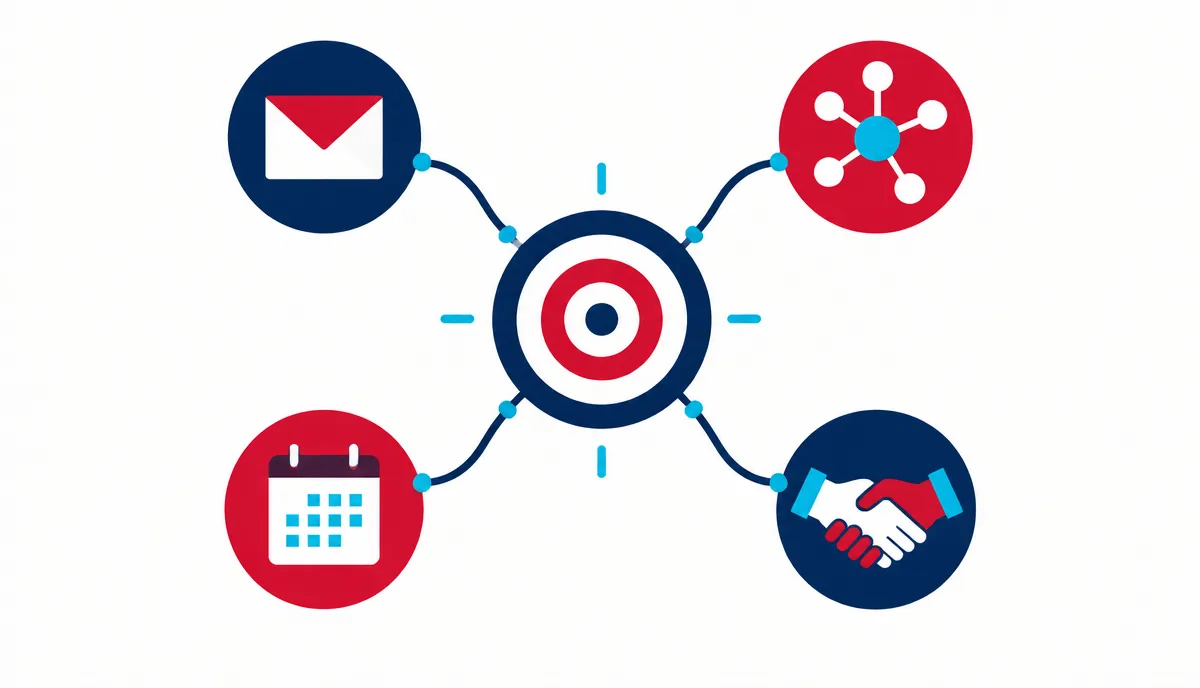
Your buyers aren't in one place, but you also can't be everywhere. Pick two to four channels that match how your buyers learn and buy. Options include:
- Content and SEO (articles, guides, webinars)
- LinkedIn, both organic and paid
- Targeted outbound email and calls
- Industry associations and events
- Partnerships and referrals
Every channel should carry the same core message and lead to a clear next step.
Part 5: Align Sales and Customer Success
Sales needs to understand the buyer, the message, and what a qualified opportunity looks like. Customer success needs to be ready to onboard new customers quickly so they reach value.
Agree on:
- The definition of a qualified lead
- How and when leads are handed from marketing to sales
- What a successful first 30 days looks like for a new customer
Part 6: Measure and Adjust
Set your key metrics before you launch:
- Monthly recurring revenue growth
- Customer acquisition cost
- Customer lifetime value
- Trial or demo to paid conversion rate
- Churn
Review them monthly and adjust what isn't working.
FREE TOOL
Know your numbers
Calculate your win rate, pipeline coverage, CAC, and velocity, and see which warning signs are showing up.
A Worked Example

Imagine a project management SaaS built for small creative agencies.
Target market: Creative agencies with 5 to 20 employees that struggle with task tracking and client communication.
Buyer: The agency owner. Busy, comfortable with technology, frustrated by missed deadlines and scattered client feedback.
Positioning: "The simplest way for creative teams to keep projects on schedule and clients in the loop."
Pricing: A free plan for small teams, with a $15 per user monthly plan that adds client portals and reporting.
Channels: Practical content on running an agency, LinkedIn ads targeting agency owners, and partnerships with creative industry newsletters and communities.
Sales and success: A small inside sales team follows up with active free users. Customer success runs weekly onboarding webinars.
Metrics: Free-to-paid conversion, monthly recurring revenue, and churn in the first 90 days.
Every part supports the others. That is what makes it a plan instead of a list of ideas.
Mistakes to Avoid
- Skipping research. Validate your assumptions with real buyer conversations.
- Overcomplicating the message. Lead with outcomes, not features.
- Ignoring onboarding. A strong launch can still lose customers in the first month.
- Planning in silos. Marketing, sales, and customer success need to build the plan together.
Start With the Foundation
A go-to-market plan is never finished. As you learn from buyers and customers, you'll refine your targeting, message, and channels.
If you want an outside view on your current GTM plan, a Growth Diagnostic will show you where it is strong, where it is leaking, and what to fix first.
For founders still searching for early traction, you may also find Early-Stage SaaS Go-to-Market Strategy: Expectations vs. Reality helpful.
Ready to put this into practice?
Get a clear, prioritized view of what is limiting your growth and what to do next.